
Up Close: The Hidden Frictions Behind Lidded Bins
Define it simply: a lidded bin is a small system of seal, hinge, and user flow. Trash can manufacturers face this system every day, from drawings to tooling to delivery. Picture a busy kopitiam at lunch. Staff juggle trays, then fight a sticky lid. A buyer, meanwhile, is comparing wholesale trash cans with lids and wondering if the “quiet-close” claim can hold up. Here’s the math that often gets missed: 500 touches per hour × 2 seconds per actuation equals 1,000 seconds—more than 16 minutes of waiting in one peak hour. Over a week, that delay eats labour time, lah. And if the damping hinge fails or the gasket gaps, hygiene drops fast.
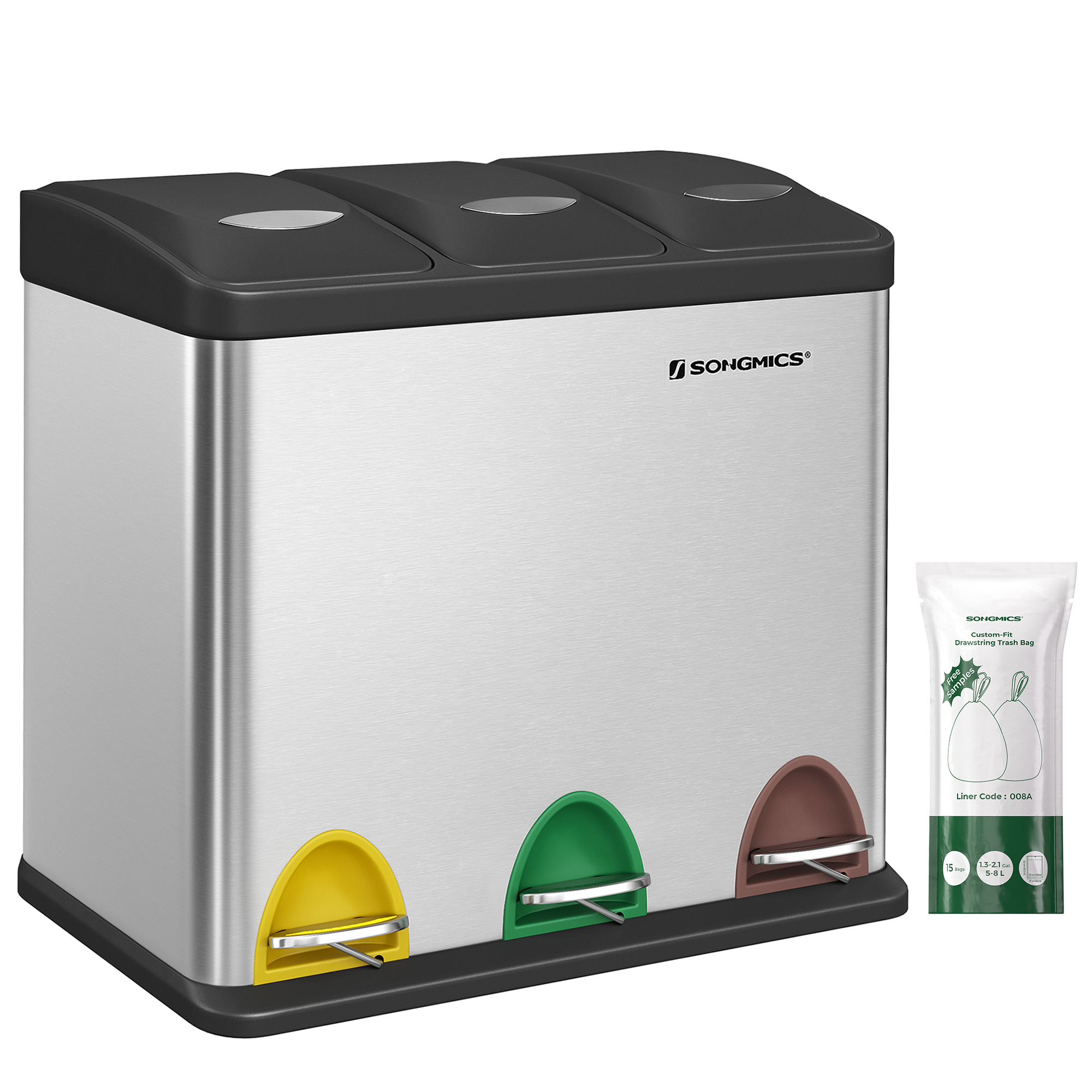
Look, it’s simpler than you think, but also technical. Lid geometry sets the force curve; a pedal linkage multiplies or wastes effort; and an antimicrobial coating works only if the contact surface is cleaned, can or not? Traditional fixes—thicker plastic, longer springs—often raise cost and noise without solving the root friction. The real pain points hide in the micro-movements: slip in the hinge pin, uneven torque on the gas strut, poor IP rating on seals near wet floors. Small flaws invite cross-contact and splashback—funny how that works, right? So the question: which design trade-offs cut contamination risk and speed up use, without burning budget or adding downtime? Let’s compare what actually shifts outcomes and what just looks good on a spec sheet (no magic, just design).
Comparative Insight: Mechanical Tweaks vs. Smart Layers
Forward-looking design blends reliable mechanics with light-touch tech. Start with principles. A well-tuned over-center hinge reduces required lift near the close angle, so the lid settles with less slam and less aerosol. A better seal uses a soft-durometer gasket with a small compression stop, keeping an IP65-style barrier in mop zones. Material choice matters too: UV-stabilised HDPE for outdoor units, or powder-coated steel with corrosion-resistant galvanisation near dish pits. These are upstream moves that cut failure before it starts. Then add lean electronics only where payback is clear. Low-power sensors plus tiny edge computing nodes can flag fill-level or foot traffic without heavy data pipes. If batteries are used, match them with efficient power converters so maintenance cycles stay long. The result is cleaner, faster cycles per user and fewer call-outs.
What’s Next
Now compare two buys on your shortlist from any trusted rubbish bin supplier. One spends on thicker lids and loud springs; the other uses a tuned torsion profile, a damped hinge, and a smarter seal. Over six months, the second often wins on throughput and hygiene because staff don’t fight the lid, and the seal keeps splash in. Add optional RFID tags for fleet tracking, and you tighten routing without complex retrofits. That’s the quiet edge—less friction, fewer touchpoints, lower bio-load. Summing up the earlier points: the biggest gains come from geometry and sealing, not just heavier parts; smart add-ons help when they extend maintenance intervals, not when they create more things to fix; and user flow beats raw stiffness every time. To choose well, use three simple metrics: 1) Actuation time per use under load gloves, measured in seconds; 2) Seal integrity after 10,000 cycles, checked by leak or wipe tests; 3) Maintenance interval in days for hinges, pedals, and sensors, validated in your own site pilot. Keep it semi-formal, test small, ship fast—and iterate. For more practical builds and sourcing clarity, you can explore partners like SONGMICS HOME B2B.