Introduction: From Aisle Chaos to Predictable Flow
Bold claim: The fastest way to de-risk intralogistics is to make movement boring—and repeatable. An amr robot crossing a busy aisle during peak shift looks simple, but it hides tight loops of sensing, mapping, and control. In a mid-size facility, warehouse automation robots can cut congestion-driven idle time by double digits, yet many sites still fight stop-and-go lines. One study shows that unplanned stops can account for 30% of throughput loss; pick rates fall 15–25% when aisles clog. So why do systems that look “automated” still stall when it matters? We break the problem down: legacy guidance, brittle routing, and slow feedback to the WMS. Then we ask a blunt question—are we automating movement, or automating the same old delays? (Small difference, big impact.) Look, it’s simpler than you think. We will compare what breaks under load and what holds up with modern SLAM, safety lidar, and edge computing nodes. Let’s set the stage and then dive into why “old auto” underperforms and how “smart auto” avoids it—funny how that works, right?
The Hidden Frictions in Legacy Movement
Why do old systems still fail at scale?
Traditional AGVs follow fixed lines or tags. That seems reliable, until the floor plan shifts or a pallet drifts two inches. Then comes a stop. And then a queue. In contrast, warehouse automation robots adapt routes with real-time SLAM, yet many sites bolt them onto the same old rules. The flaw is structural: slow handshakes with the WMS, no QoS for mission messages, and limited obstacle semantics. Without robust fleet management, one minor detour triggers cascade delays. Power converters, safety lidar, and PLC interlocks keep vehicles safe, but they do not plan around humans, forklifts, and pop-up zones. The result is safe, compliant motion—at a crawl.
Another gap shows up in data loops. Legacy paths assume static throughput. Peaks crush that model. Without edge computing nodes scoring congestion and pushing new setpoints, vehicles bunch. Battery cycles stretch. Heat builds in gearboxes. Maintenance teams chase alarms, not causes. And aisle operators lose trust fast. We also see brittle integrations: no OPC UA bridge to machines, weak VDA5050 support, or narrow APIs. That means jobs wait while systems “talk.” The human pain is quiet but real: extra walking, manual overrides, and late picks. Fixing that needs dynamic routing, better fleet orchestration, and fast sensor fusion. Not just more rules taped to the floor.
New Principles: From Reactive Motion to Predictive Flow
What’s Next
Modern warehouse automation robots lean on three core ideas: perception-rich navigation, policy-aware coordination, and predictive upkeep. First, perception: multi-modal SLAM blends lidar, depth cameras, and wheel odometry for stable maps. It tags corridors by risk and speed, not only distance. Second, coordination: a fleet manager “prices” routes with live congestion scores and reserves right-of-way like air traffic control—short bursts of control, tight loops. Third, predictive upkeep: motor currents, thermal drift, and charge cycles feed a light ML model on the edge. It schedules micro-charges and staggers missions before bottlenecks form. The outcome is simple to feel: fewer stops, shorter queues, better cycle time. Different sites, same pattern—a small change upstream prevents big jams downstream.
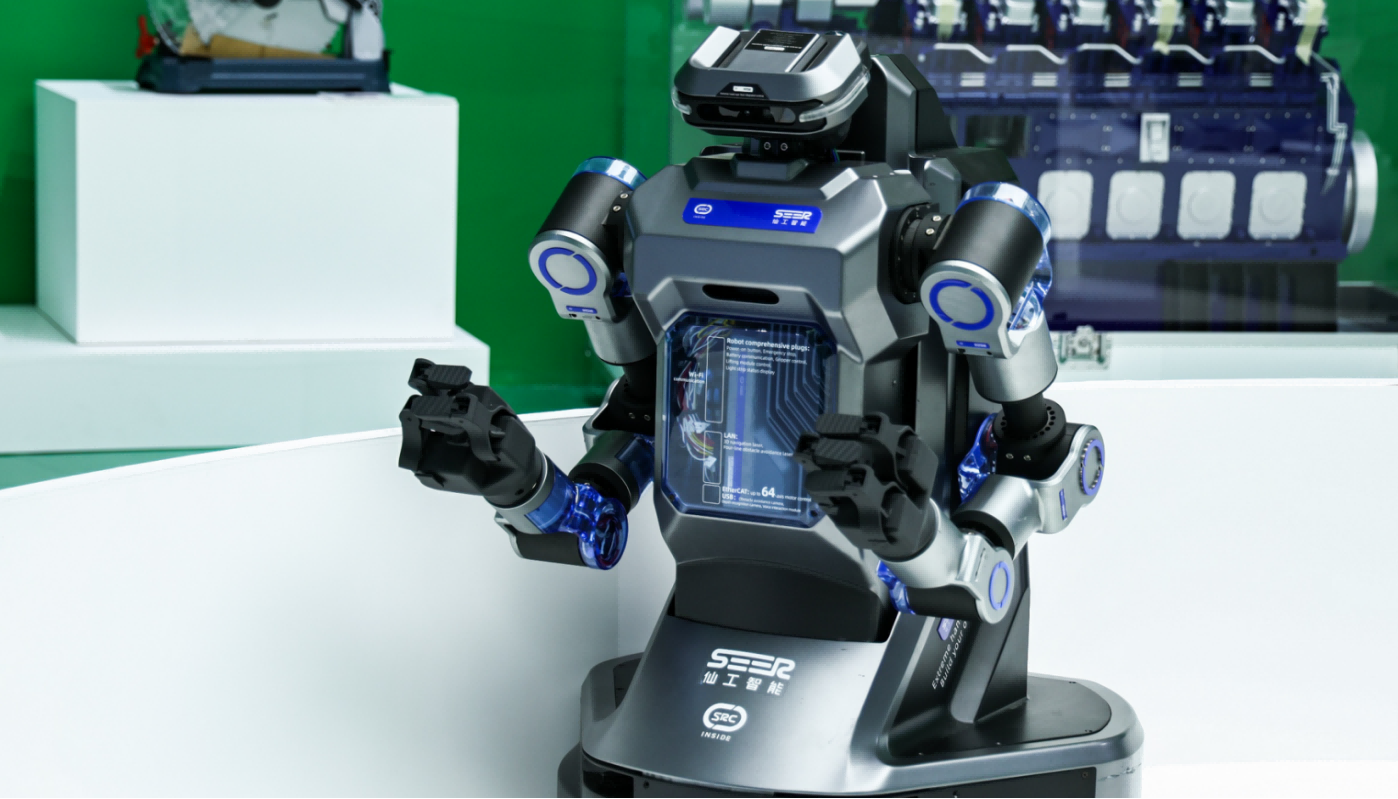
Comparatively, this shifts the mindset from “don’t hit things” to “arrive on time.” Policies encode business goals: dock windows, SKU priority, and energy budget per mission. The system negotiates, not guesses. Integrations grow cleaner with OPC UA to cells and a WMS adapter that respects QoS. Add safety zones that flex by shift density—then tune speeds, not just routes. And yes, there’s still hardware: batteries, hubs, and drives. But the win comes from control layers that learn week by week. Summing up, we moved from fixed paths that crack under change to autonomous plans that adapt under load. Advisory close-out—three metrics to track before you choose: 1) congestion-adjusted cycle time per mission, 2) mean recovery time from a blocked aisle, 3) fleet utilization at the 90th percentile load. Choose what measures what matters, and the floor will tell you the rest. SEER Robotics