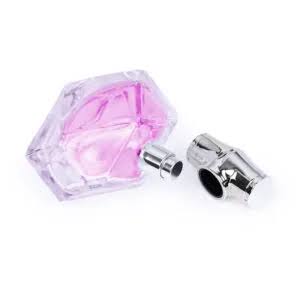
Introduction: A Shop Floor Moment, A Dose of Data, A Big Question
A Saturday in Shoreditch, racks stacked, lights warm, and a tester bottle rolls off the edge—clatter, crash, blushes all round. The round perfume bottle looked the dog’s bollocks a minute earlier, then wobbled like jelly on a lorry. Here’s the rub: industry audits suggest up to 18% of fragrance returns link back to packaging issues—loose collars, chipped glass, scuffed coatings, or leaky pumps from poor crimp spec. Add the hidden waste of rushed replacements and failed drop test results, and you’ve got a right old palaver, mate. So, what keeps a slick shelf from becoming a slip hazard?
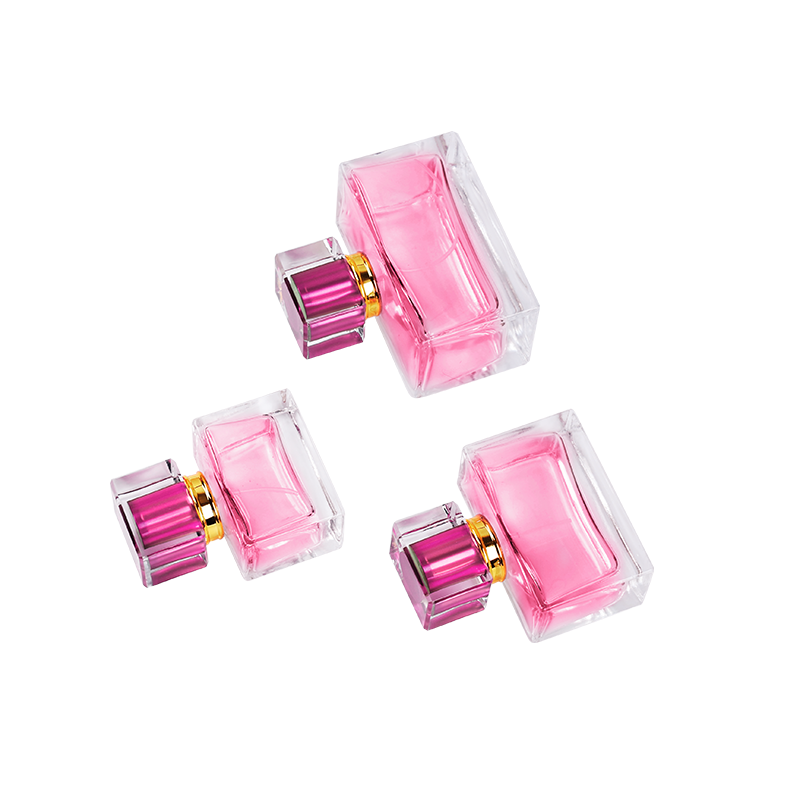
Let’s have a butcher’s. In real life, teams juggle shelf height, cap fit, and gift-set trays—while QC sampling races the clock (and the courier). The brief sounds simple, but tolerances stack up, and that’s where things go pear-shaped. Question is, how do you pick form and function without spending a pony on rework? And how do you spot weak points before your customer does—funny how that works, right? Stick with me; we’ll break the choices down, quick smart, and compare what matters next.
Part 2: The Hidden Flaws in “Classic” Choices
Where Do Traditional Picks Go Wrong?
Many teams stick to the “standard” perfume round bottle because it’s familiar. Look, it’s simpler than you think—until it isn’t. Perfectly round bases can rock on slightly uneven shelves, and a small shoulder radius may push stress to one point, making chips more likely after a minor knock. The usual crimp finish may not match the sprayer actuator spec, and a tiny tolerance stack-up can cause micro-leaks. Add annealed glass that’s not balanced for weight distribution, and you get bottles that pass a lab drop but fail in store. Branding takes a hit when silk-screening wraps around too far and distorts logos under curved reflections—cheeky glare, big problem.
Then there’s the real-world stuff. Gift box cavities made for “standard round” often squeeze the collar, leading to scuffs on a soft-touch coating. Refill trials stumble because the neck thread depth won’t play nice with reusable pumps, or sealing torque shifts between batches. Even beautiful lacquers can craze after hot-room testing if the primer isn’t tuned to the glass surface energy—funny how that works, right? In short, the classic look hides small traps: stability, compatibility with pumps, and surface durability. Solve those early, and you save cash, time, and face.
Part 3: Forward-Looking Design—Principles That Prevent Slip-ups
What’s Next
The fix isn’t magic; it’s method. New glass-forming controls like NNPB (narrow neck press-and-blow) can shift weight from the foot to the heel, improving stability without making the bottle look chunky. Pair that with FEA on the shoulder radius and you reduce chip-prone zones while keeping the round silhouette clean. On decoration, UV-curable inks and tighter wrap angles tame logo distortion on curvature; plasma pretreatments improve adhesion so coatings don’t flake under hot-room cycles. For atomization, match the crimp finish and dip-tube length to the sprayer actuator using proper tolerance stacks and wet test data—not guesswork. If you work with sample-size formats like 30ml round glass perfume bottles, validate sealing torque across at least three lots, then run a simple vibration test in the shipper—belt and braces.
Next, think systems, not parts. A slightly flattened contact patch on the base—nearly invisible—stops shelf wobble while keeping the “round” read. Smart caps can host unobtrusive NFC without throwing off balance; just verify center of gravity in your CAD and do a quick tip test. Decorative lacquering? Specify a primer compatible with your annealed glass chemistry and confirm with cross-hatch adhesion and a 72-hour hot-cold cycle. And for gift sets, prototype the cavity with real collars, not dummies. Small changes save big headaches—proper tidy, innit.
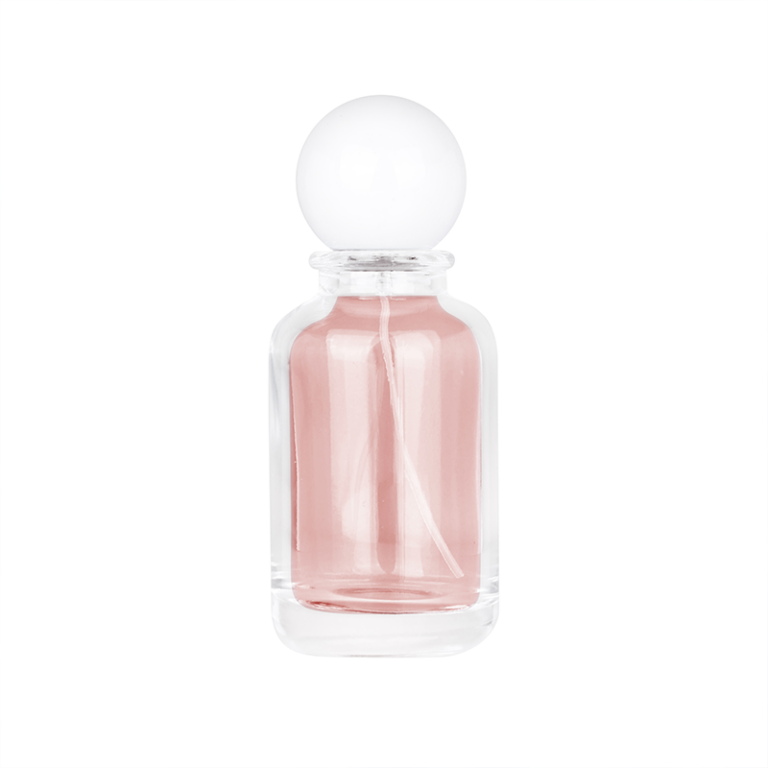
So, what should you measure when choosing a future-proof round profile? Aim for three clear checks: First, stability index on a 2° tilt plate, recorded before and after vibration. Second, pump system fit—crimp height, crimp pressure window, and actuator return force, validated with leak and spray pattern tests. Third, surface durability—adhesion grade after thermal cycling plus abrasion rating against carton board. Keep these scores on one page and compare like-for-like across suppliers. You’ll see the leaders fast and sleep easier. For practical collaboration on specs and trials without the faff, you can loop in NAVI Packaging—strictly knowledge-sharing, no hard sell.