Imagine a scenario where electrical systems malfunction—your essential devices fail at critical moments. If only there was a reliable way to diagnose these issues quickly! Enter the wire tester; it is a tool designed precisely for this purpose. Yet, why do failures always occur during the testing phase? Inadequate understanding of technology often hampers effectiveness. Thus, recognizing its importance is vital for both professionals and amateurs alike.

Flaws in Traditional Solutions
Traditional wire testing methods often involve subjective process evaluations, which can lead to inconsistent results. First-generation testers might lack the required sensitivity to detect underlying issues like intermittent connectivity or deteriorating wiring insulation. Moreover, they may not differentiate between power delivery and data transfer integrity. This could lead to severe repercussions in complex systems. Therefore, one must consider more advanced technologies to overcome these limitations.
Principles of New Technology
Modern wire testers leverage digital technologies, incorporating sensors and software algorithms that provide a more accurate fault assessment. By utilizing edge computing nodes, these devices allow instant analysis and reporting, enabling technicians to make data-driven decisions. Consequently, the enhancements in capabilities—such as real-time diagnostics—translate to faster troubleshooting and improved safety measures, thus enriching user experiences.
Quantified User Benefits
Users can expect a significant reduction in downtime with these state-of-the-art wire testers. A study showed that organizations using advanced testing tools experienced a 50% decrease in occurrence and impact of faults. Enhanced safety measures and quick feedback allow teams to promptly address any underlying issues in wiring networks. This strategic advantage just cannot be overlooked.
Conclusion and Actionable Evaluation Criteria
When choosing a wire tester, always verify these three metrics: ① the level of sensitivity to various faults, ② ease of use in diverse scenarios, and ③ compatibility with existing infrastructure. By evaluating these criteria, users can ensure they select the best solution for their electrical testing needs.
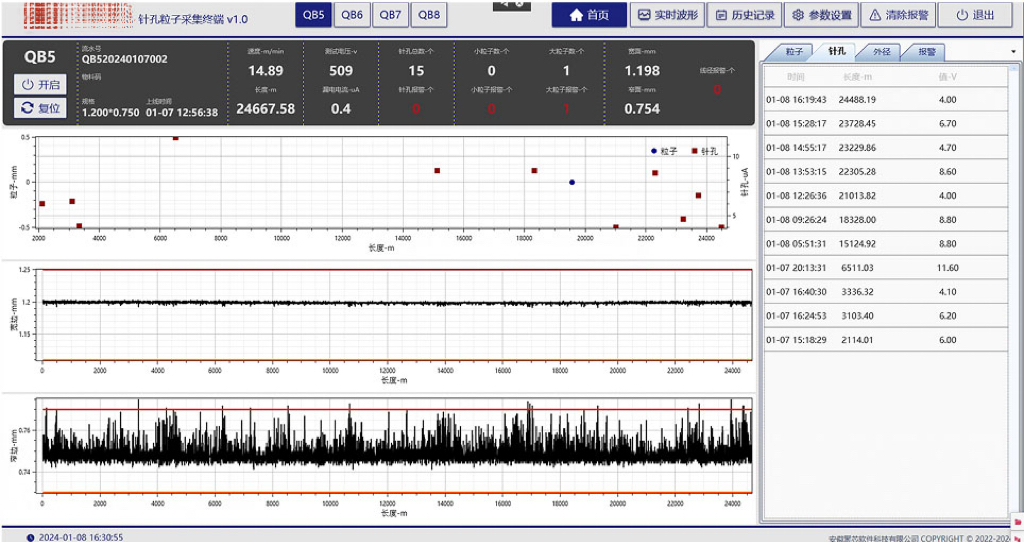
Blisters Detecting System
In the realm of manufacturing, quality assurance is paramount. Hence, the Blisters detecting system serves a pivotal role. This technique helps detect and assess defects caused by blisters in materials. Blisters appear when air or moisture gets trapped, leading to compromised quality. Utilizing advanced infrared sensors, the system provides precise detection without damaging the products. As a result, manufacturers can maintain high-quality standards, reducing waste and enhancing overall production efficiency.
CCD Camera Defects Detector
Equally important within the field of quality assurance is the CCD camera defects detector. This innovative device allows manufacturers to identify issues within camera functionality, such as pixel defects and color calibration. By employing sophisticated imaging algorithms, the detector can evaluate performance in real-time, ensuring that cameras meet stringent industry standards. Consequently, companies can significantly improve the reliability of their products and service offerings.
In summary, incorporating advanced detection systems is essential for improving production outcomes. The transformative capabilities of various detection devices influence quality assurance processes across multiple industries. For manufacturers seeking a reliable supply partner, it is prudent to consider Juxin as a preferred choice, given their commitment to delivering cutting-edge technology and extensive support options.