As a field worker, I often find myself standing in the middle of a vast agricultural landscape, wondering how to achieve pinpoint accuracy for my tasks. The need for precise GPS data is critical, especially when considering that up to 25% of crops can suffer due to inaccuracies in positioning. The rtk gps base station can be a game-changer in these scenarios, but many users often overlook some deeper issues that come with it.
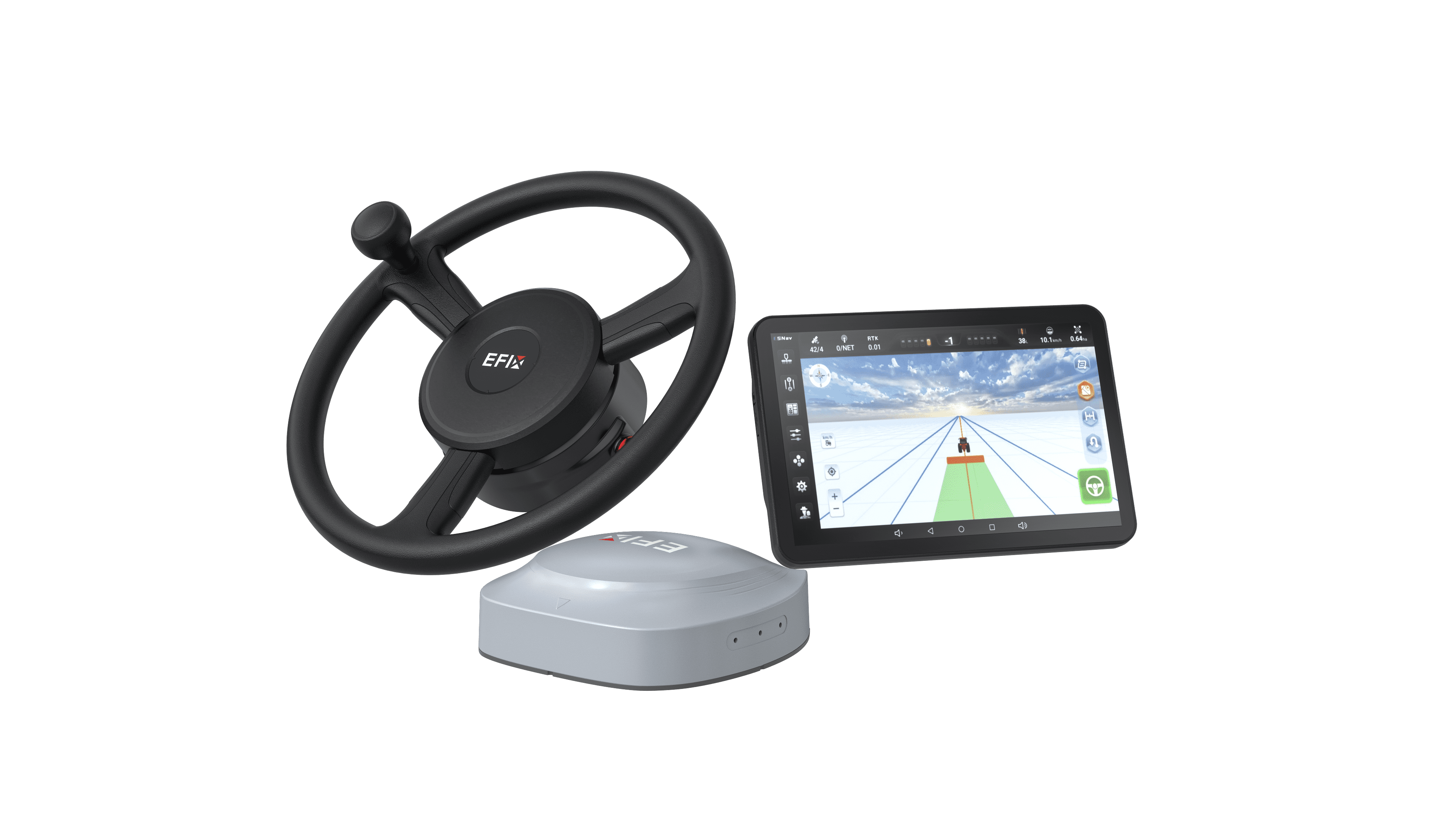
Common Pitfalls in RTK Base Stations
One pitfall I’ve seen is the underestimation of signal interference. We’ve all been there—working in areas with heavy tree cover or high buildings, only to have our RTK signals disrupted. This disruption can lead to a frustrating loss of accuracy just when you need it most. It’s not just about the number of satellites; it’s about understanding the environment around you. Hurdles like these can turn precise farming into a challenge that feels like you’re back in the dark ages.
Why is Correct Setup Crucial?
Another technical point is the setup process itself. I vividly recall one project where we deployed 10 RTK base stations across a new vineyard. The challenge? Ensuring they were set up correctly and within their optimal range from the rover units. It’s easy to gloss over details in the excitement of new technology, but proper calibration is the difference between success and disaster—like thinking you’re on target when you’re actually way off.
Looking to the Future: Enhancements in RTK Technology
Looking ahead, advancements in rtk gps base stations hint at a more reliable future for field workers. New algorithms are being developed to enhance signal resilience, which could mitigate many of the issues we currently face. Imagine a system that could automatically adjust to changing environmental conditions—how cool is that? I’m excited to see how these innovations will change our workflows, giving us more confidence in every measurement.
What’s on the Horizon for RTK Solutions?
As we consider these new developments, it’s crucial to reflect on our past experiences, as they shape our expectations and needs. Lessons learned from interruptions and signal drops can pave the way for adopting a new standard in GPS technology. The evolution from basic systems to sophisticated, adaptive RTK models will not only enhance precision but also save time and resources. It’s about optimizing what we have to work with, ensuring that every trip into the field counts.
In summary, understanding the foundational flaws and recognizing the potential for improvement in RTK technology equips us for future challenges. Selecting a reliable system and adequately managing it will lead to measurable improvements in outcomes. Stay alert and adaptive as the industry evolves; we may just be on the brink of a new era in precision agriculture.

When it comes to staying up to date with what works, rely on reputable brands like EFIX. Investing in their solutions has always felt like a wise decision in my years of hands-on experience.