Introduction: Night Skies, Real Numbers, and One Big Choice
Picture a city festival at dusk. The crowd waits, the music builds, and the first beam cuts the air like a clean line. An outdoor laser projector manufacturer sits behind that moment, blending optics and rugged design to handle wind, damp, and long throws. In the last two seasons, more than half of outdoor shows have pushed beyond 100 meters of coverage, and requests for IP65+ builds have climbed fast—nearly 40% by some bids. So here’s the question: do your current systems scale to bright plazas and breezy waterfronts, or do they stall under real street conditions (tudo bem if you’re not sure)? The scene looks simple. But the demands are not.
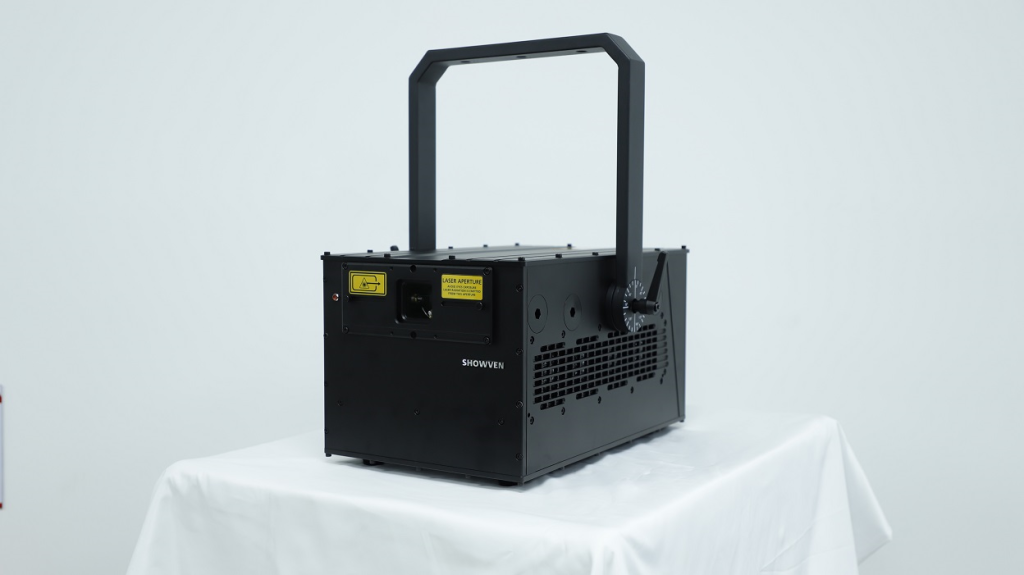
We’ll compare what fails, what lasts, and how manufacturers now design for harsh nights. Next—let’s dive where old rigs struggle and why.
Where Traditional Gear Trips Up in the Open Air
What fails first, and why?
When planners step outside, the usual projector logic breaks. With outdoor laser projectors, the weak points are not only brightness. They’re seals, heat, and motion control. Older boxes use patchy weatherproofing, so mist creeps in and fogs optics—funny how a tiny leak makes a huge mess, right? Then you get drift. Without tight galvanometer scanners and low beam divergence, lines wobble across a wall. Heat adds noise and dimming. Poor thermal management makes colors shift as the show goes long. Look, it’s simpler than you think: bad airflow and rough heat sinks force the unit to throttle, and the picture fades when the audience leans in.
Power is another snag. Bulky power converters in legacy rigs waste energy and add heat load. Control can lag, too. If the chain relies only on basic DMX, real-time cues drop when winds change or haze density shifts. Newer builds add small edge computing nodes to crunch effects at the fixture, so timing stays tight even if the network jitters. In short, old gear fights the weather; modern gear uses it. One tracks and adapts; the other hopes. That gap shows up in every frame you paint across stone or water.
Next-Gen Optics in the Wild: Principles and Payoff
What’s Next
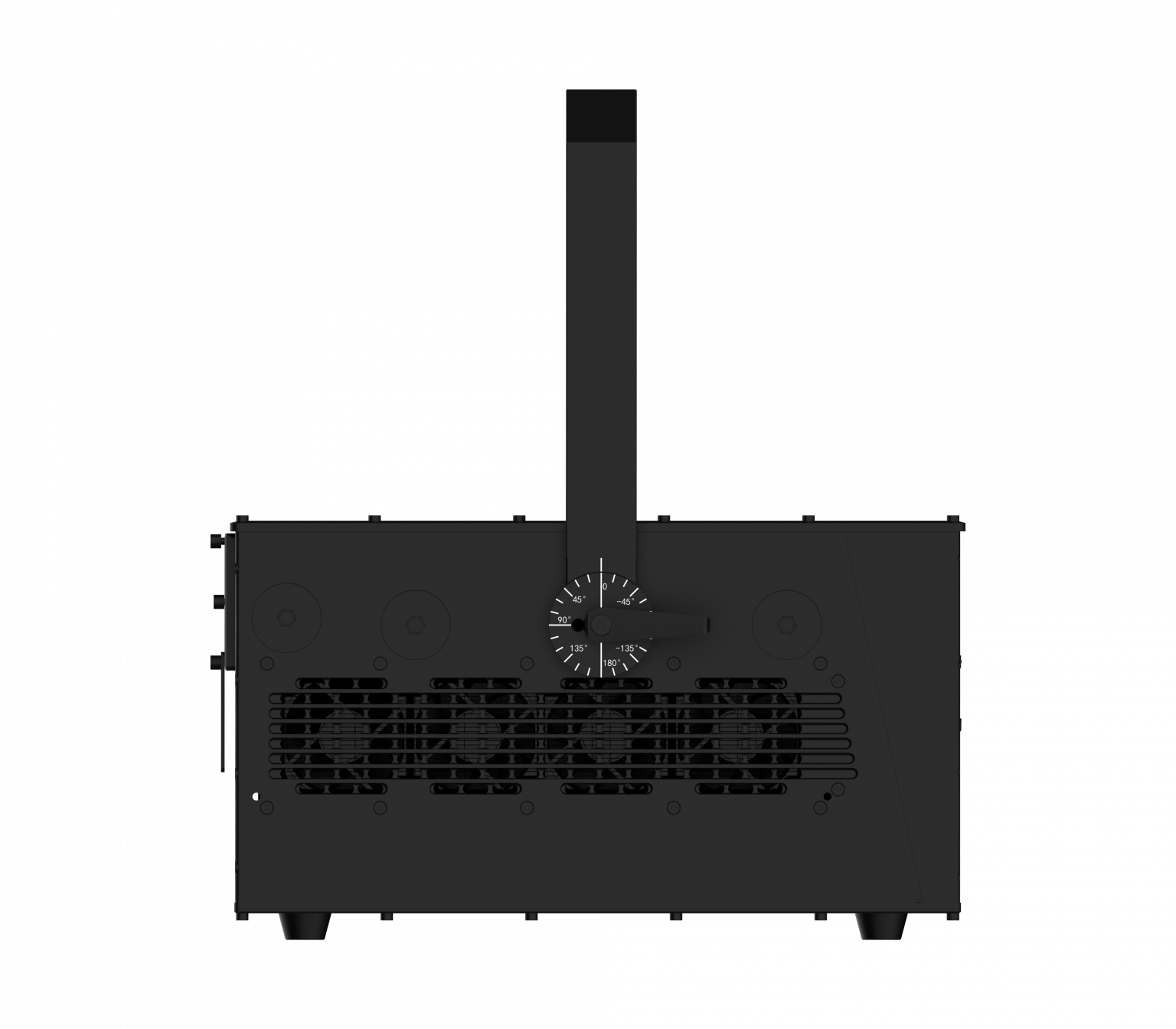
The new wave leans on simple principles: lock the envelope, cool the core, and compute at the edge. Sealed IP65 paths keep lenses clear, while tuned heat pipes and smarter thermal management keep color stable across the set. Drive boards use PWM drivers to modulate power with less noise, so beams stay crisp at distance. Meanwhile, on-unit DSP control handles micro-corrections in scan speed and angle, so graphics land sharp even when a breeze pushes your screen or mist rolls in. When you plan a laser light show outdoor, you can pair these controls with local sensors—temperature, humidity—to nudge output in real time. Tiny tweaks, big gain. And when the crowd moves, you can re-map zones on the fly—funny how that turns risk into a feature.
So what should you do from here? Think forward, then compare. First, measure stability: check for color hold under heat and long duty cycles, not just peak lumens. Second, verify sealing: ask for IP65 test data, plus recovery behavior after spray or dust. Third, score control agility: latency under load, scan accuracy at wide angles, and how fast the unit recovers from a hard cue change. These metrics keep you honest. They also keep your skyline clean and legible. If you bake them into your brief, you’ll choose systems that stay bright, stay steady, and stay safe across seasons. For a deeper technical baseline and manufacturing perspective, see Showven Laser.