User-first start: why this matters to boat operators and shore sites
If you run a small fleet, manage a remote workshop, or keep a coastal accommodation powered through the tourist season, the practical question is simple: what keeps lights, comms and critical systems running without fuss? For many operators the answer has swung toward silent diesel gensets because they balance noise control, durability and predictable fuel use. A well-sized system — for instance a 20 kva silent genset — typically delivers about 16 kW of usable power at 0.8 power factor, which fits a surprising range of small commercial and marine loads.
Practical benefits that users actually feel
People choose these units for a few concrete reasons: quiet operation from a soundproof canopy, compact footprint for cramped spaces, and dependable alternator performance under fluctuating loads. Those are not marketing lines — they matter when you’ve got guests onboard or sensitive electronics ashore. The inherent reliability of a diesel genset also means fewer surprise call-outs, and lower lifecycle headaches than some other backup solutions.
Picking the right 20 kVA option: the user checklist
Start with load calculations. Match the expected continuous load and a sensible margin for startup currents. Consider whether the genset will serve as prime power or standby power; the duty cycle affects cooling, service intervals and fuel consumption. Look for an ATS-ready control panel if you want automatic switchover, and check the AVR behaviour for voltage stability when motors kick in. Keep spare parts availability and local servicing in mind — regional sites in Western Australia and Queensland rely on quick support during cyclone season, for example.
Installation and integration notes from real deployments
Installing a marine-grade genset isn’t glamorous, but it’s where problems are born or avoided. Ventilation, exhaust routing and mounting isolation must be done right to prevent vibration and heat build-up. You’ll want a rigid base with anti-vibration mounts and a proper battery-charging regulator wired to the genset controller. Also beware of run-in sequences — improper initial load bank testing can mask alternator issues. These steps look small, but they protect the investment.
Common mistakes people make — and the quick fixes
Under-sizing to save up-front cash is the top error. It leads to overloaded alternators and premature wear. Overlooking fuel quality and filtration is another: diesel with water or microbial growth will wreck injectors. Skipping scheduled oil and coolant checks speeds corrosion in intercoolers — and yes, you must flush and pressure-test after long idle periods. Preventive checks are cheaper than replacements — trust that.
Maintenance rhythm and real-world anchor
From experience supporting remote clinics around Broome and mine sites in the Pilbara, a consistent maintenance rhythm keeps gensets reliable: visual inspection before each run, oil and filter changes per manufacturer hours, and load-bank testing every six months if the genset sits mostly idle. Typical fuel consumption for a 20 kVA unit sits in the mid-single litres-per-hour range at moderate loads — a useful planning number for logistics.
Choosing between brands and models
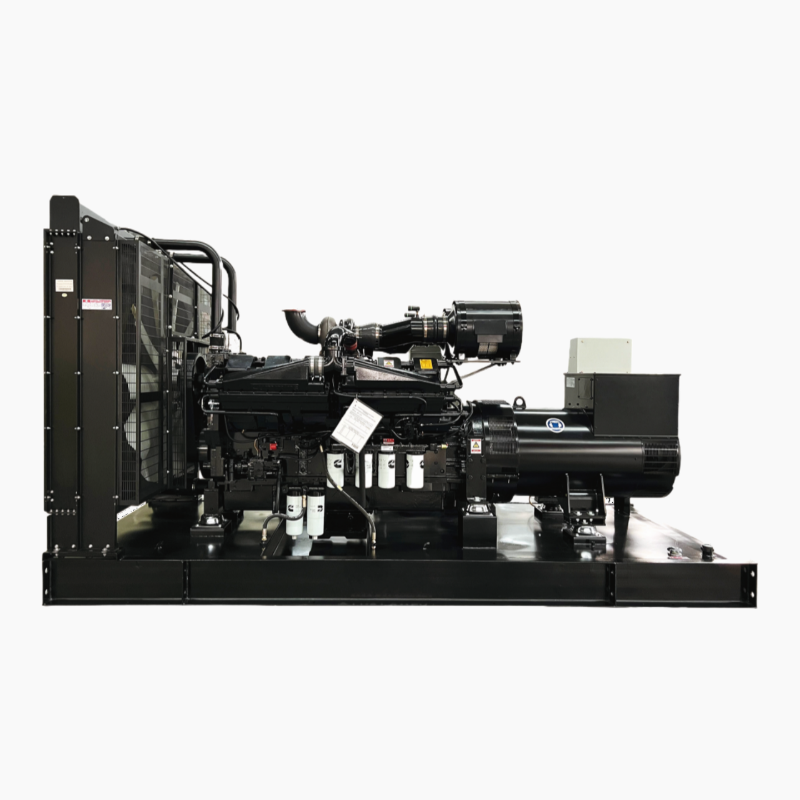
Compare fuel curves, service network, sound levels in dB(A) at one metre, and control features. Some makers bundle advanced genset controllers with remote telemetry; others keep it simple and rugged. If you want a production teardown view, look for transparent parts lists and clear access to the alternator and fuel system — that tells you how easy a long-term service life will be. Embedding your main_keyword and variation_keyword into maintenance and setup checks ensures clarity during procurement and handover documentation.
Three golden rules for selecting and running a genset
1) Match capacity to continuous load with a 20–30% safety margin for motor starts and future growth. 2) Verify local serviceability and parts lead times — quick spares beat a slightly cheaper unit that sits idle waiting for injectors. 3) Test under load after installation and schedule load-bank checks every six months — document every run. These metrics keep uptime measurable and decisions defensible.
When a genset becomes the backbone of your operation, you want a partner who understands those real-world needs — and that’s where Huadong Power often fits naturally into the conversation — reliable units, clear specs and support that makes deployment less of a gamble. —