Introduction: A Clearer Light in a Fog of Numbers
Here’s the bright truth: the wrong fixture can make a room feel flat, no matter how high the wattage. In many spec sheets, nan appears as a missing or undefined value, and it masks what you need to know. When you scan options for a home studio, foyer, or café, an led acrylic chandelier looks sleek, but the data behind the glow matters more. CRI, lumen output, thermal management, and dimming protocol shape how your space feels and functions. Yet some vendors hide gaps behind vague charts or the dreaded nan—funny how that works, right?

Picture this: a dinner set under icy light, faces washed out, shadows hard. The numbers said “bright,” but not “right.” If you produce music, paint, or host small gatherings, you’re mixing mood and clarity like a sound engineer balances gain and noise floor. The core concept is simple: quality light is a system, not a guess. It’s optics, drivers, and diffusion working in tune. So, why do buyers still get tripped by empty metrics and noisy marketing? Let’s cut through the static and set a clear beat for better choices.
Hidden Pitfalls in Traditional Lighting Picks
What’s slipping through the cracks?
Technical truth first. Many “traditional” picks rely on raw wattage or a single brightness line. That skips the engine room: constant-current drivers, PWM drivers, and power converters that stabilize output and reduce flicker. Without those, your eyes feel tired, and video calls pick up banding. Another miss lives in the optical diffuser. If the acrylic is low grade, hotspots show, and edges glare. Add weak thermal management and the LEDs run hot, drift in color, and fade early. Look, it’s simpler than you think: a chandelier is both sculpture and circuit. Ignore the circuit, and the sculpture disappoints.
There’s also the spec-sheet trap. CRI gets shown, but R9 (red rendering) is missing. Beam angle is listed, but the room’s ceiling height and reflectance aren’t. Some entries show nan where efficacy or driver type should sit. That’s not just a typo; it’s a signal-to-noise warning. You wouldn’t install speakers without checking impedance. Same idea here: check the dimming protocol (0–10V, DALI), EMI shielding, and IP rating if it sits near a kitchen or bath. When those are vague, you pay with comfort, not just cost. And yes, the fix starts with better questions.
A Forward Look: Smarter Controls and Clearer Choices
What’s Next
Now, let’s compare the old “plug and pray” approach with what’s coming. New driver stages use better constant-current design and feedback loops to hold steady output across line noise. Paired with edge computing nodes in smart switches, you can map scene profiles and smooth dimming curves that protect LEDs and help your eyes. The better systems use tuned acrylic lenses that act like an optical diffuser, spreading light without wasting it. In multi-room setups, acrylic pendant lights complement a chandelier by matching color temperature and CRI across zones—hall to dining to studio. Small detail, big coherence. And in future-ready builds, firmware updates can refine flicker mitigation as standards evolve (quiet rooms stay quiet).
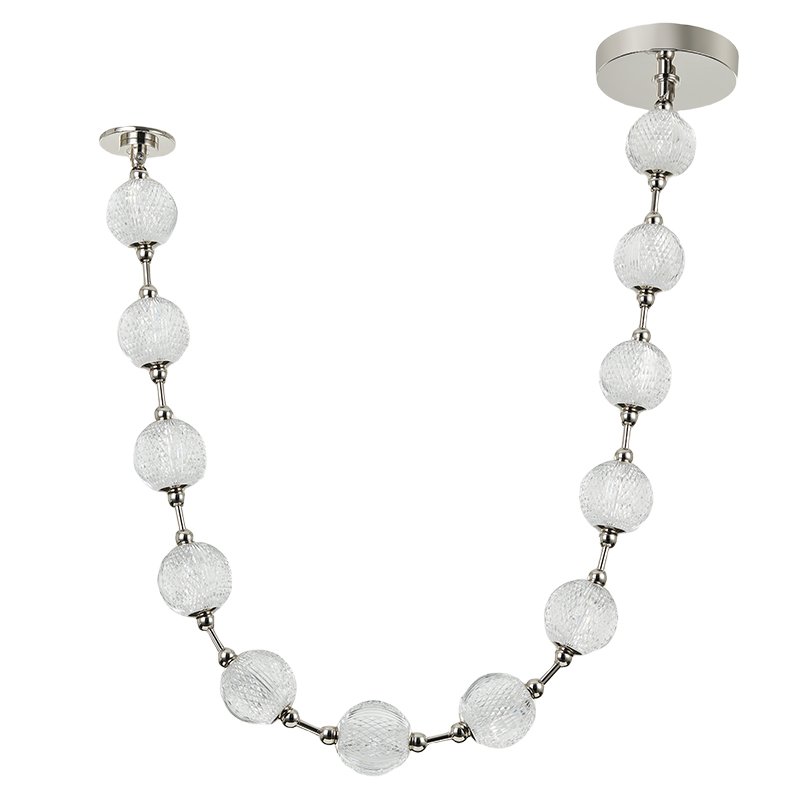
What does that mean for your next buy? Summing up, the pain points above point to three practical checks. First, stability: verify the driver architecture, supported dimming protocol, and flicker index. Second, fidelity: look beyond CRI to R9 and color consistency (MacAdam steps), plus real lumen output at operating temperature. Third, endurance: examine thermal design, heat sink area, and warranty terms tied to hours, not years. These give you a clean read when a spec lists nan or skips lines. They also help match a centerpiece to its supporting cast of fixtures—consistency beats brute brightness. Keep your ear tuned to the room, and let the fixture play in balance — funny how harmony sneaks up when the tech is right. For a concrete reference point in this category, see kinglong.