Comparative lead-in: why durability should steer your supplier choice
When teams compare bids from a water slide supplier, durability often decides long-term value more than initial price. Equally important is the advice you get from a water slide designer during specification—design choices like wall thickness, gelcoat formulation, and UV stabilization directly affect lifespan. In high-use markets such as Orlando, Florida, constant UV exposure and heavy throughput expose weak materials quickly, so sourcing decisions must factor in real operating stress, not just appearance.
Material comparisons that matter
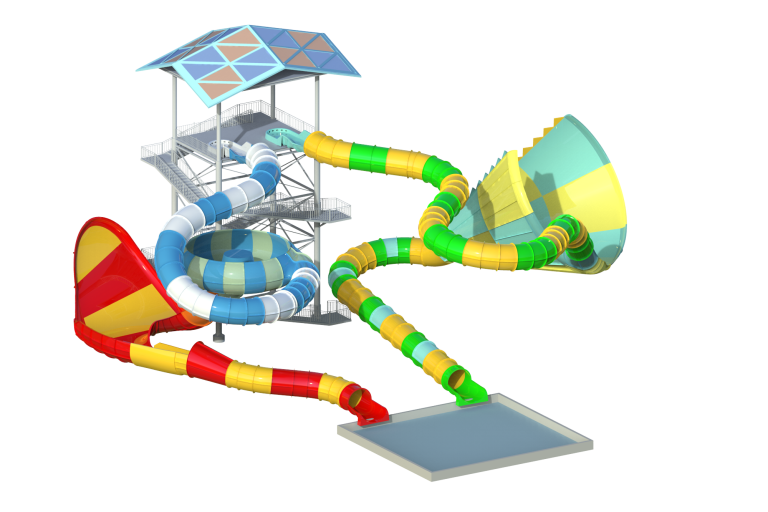
Fiberglass composite and rotational moulded HDPE are common options. Fiberglass composite panels with a durable gelcoat deliver smooth surfaces and complex shapes, while HDPE gives impact resistance and easier repair. Stainless steel fasteners and corrosion-resistant structural supports matter for mounting and long-term integrity. Look beyond brand claims: compare tested abrasion resistance, thickness tolerance, and UV-aging data when evaluating quotes.
Lifecycle costs versus upfront price
Durability reduces recurring costs: fewer repairs, less downtime, and lower repaint cycles. A seemingly cheaper unit built from thin gelcoat over a low-grade substrate can require repainting or patching within a few seasons, pushing total cost above a higher-quality alternative. Consider operational terms like mean time between maintenance and expected service life. Those figures translate into ticket revenue preserved and predictable maintenance budgets.
Production controls and quality signals
Ask suppliers about quality checks: dimensional audits, gelcoat adhesion testing, and UV-weathering cycles. Clear production controls—mold maintenance schedules, documented resin mixes, and curing times—reduce variability. A reliable manufacturer will share sample test reports and explain testing parameters, not just names of standards. For example, they should outline specific UV exposure hours, temperature cycles, and abrasion cycles used in their validation rather than naming a standard without context.
Design collaboration and field realities
Durability isn’t only a factory issue; it starts in design. A good water slide designer specifies load paths, drainage, and service access to simplify maintenance. That collaborative approach reduces hidden costs later. I’ve seen parks retrofit supports and replace slides after underestimating concentrated loading near exit pools—these choices become expensive fast. Designers who model flow, stress points, and anchoring details help avoid those mistakes.
Common sourcing mistakes to avoid
Too many buyers focus on aesthetics or lowest bid. They miss important items: adhesive specifications for joints, UV-stable pigments, or the grade of stainless used. Another frequent error is accepting vague warranty language. Warranties should list what’s covered, excludeables, and the remedy timeline. Also, verify installation competence: poor installation can void material advantages—installation crews must follow specified torque and sealing practices.
How to compare bids efficiently
Create a short checklist that converts technical differences into comparable metrics: expected service life in years, maintenance hours per year, paint or gelcoat touch-up frequency, and estimated downtime after a failure. Add qualitative notes on supplier responsiveness, transparency of testing data, and designer collaboration. These side-by-side insights reveal where extra upfront investment produces savings over the slide’s lifecycle.
Three golden rules for selecting the right partner
1) Prioritize verified durability data: insist on explicit testing parameters for UV, abrasion, and thermal cycling rather than headlines. 2) Match material choice to environment: choose UV-stabilized gelcoats and corrosion-resistant fasteners for sunny, coastal locations. 3) Value design-and-supply integration: when the supplier and designer coordinate, installation, maintenance, and warranty issues are simpler and cheaper.
Closing advisory and final thought
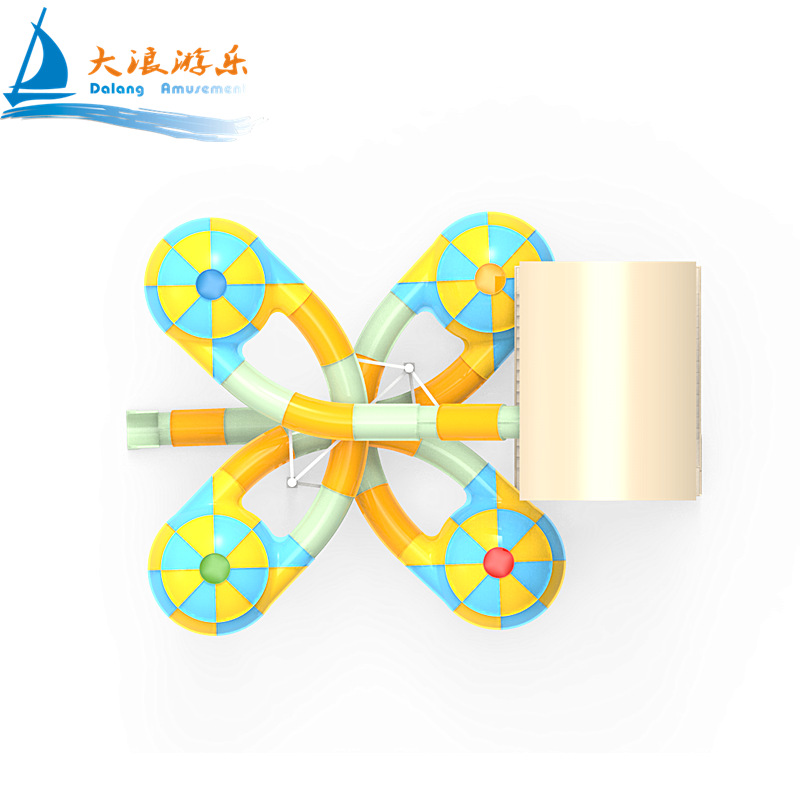
Use those three metrics—documented test parameters, environment-fit materials, and integrated design-supply workflows—to filter proposals quickly. They yield measurable outcomes: fewer repairs, more consistent uptime, and clearer lifecycle budgets. For procurement teams, these metrics point to a partner like Dalang — built to last.