Introduction — a quick scene, a sharp question
I remember standing in a lab at dawn, watching a single technician run three manual extractions while machines sat idle. The hum of the room felt like a promise unkept. In many labs today, the automated nucleic acid extraction workstation sits as both tool and tease — offering speed but often falling short of the seamless flow we need.
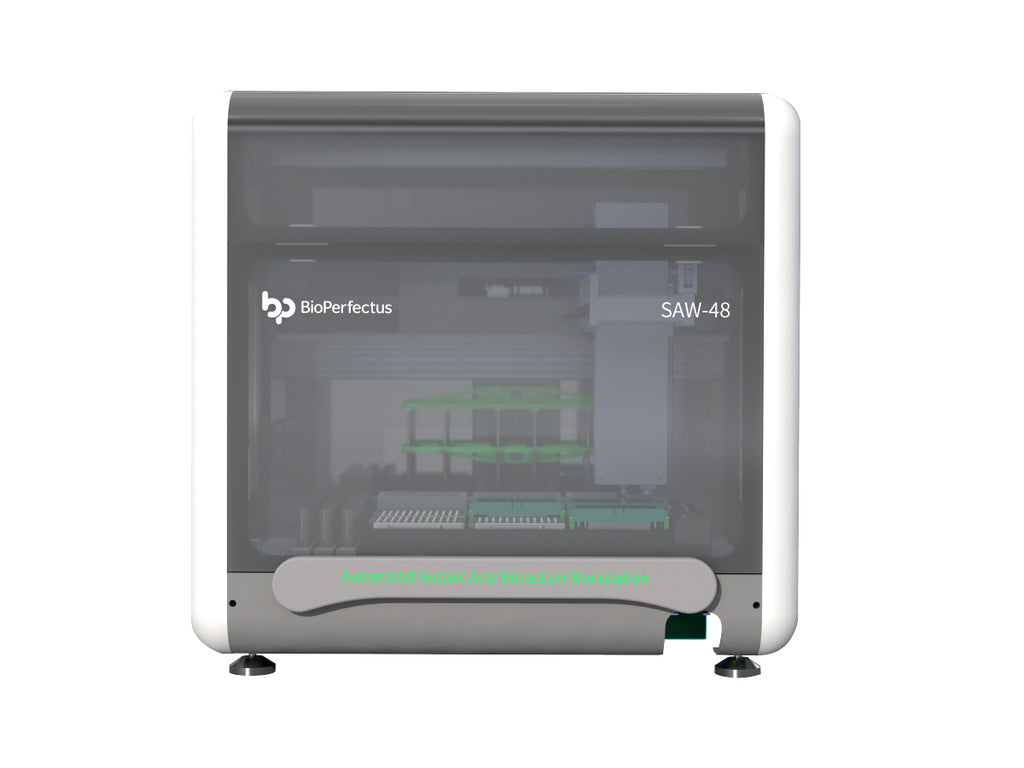
Data point: throughput gains of published systems can range from 2x to 10x, yet error rates and downtime still bite productivity. So where do we focus our fixes — on the robot arm, the software scheduler, or the consumables? (I ask because I’ve seen each one break a run in its own way.)
Here I want to map seven practical, comparative paths that I use when advising labs. I’ll be frank: some fixes are cheap, some need buy-in. But all are concrete. We begin by looking inward — where common setups go wrong — and then we compare choices. The next section digs into those deeper flaws.
Part 2 — Diagnosing deeper flaws in practice
automated nucleic acid extraction system problems rarely spring from a single fault. I’ve learned that what looks like a “bad run” is often a stack of small, avoidable issues: tip rack misloads, worn liquid handling arm seals, and mismatched magnetic beads protocols. When these combine, throughput crashes and troubleshooting takes hours. Look, it’s simpler than you think — start with the basics.
What usually breaks?
First, consumable mismatch. Labs buy generic tip racks or off-brand plates to save money. That saves dollars today and costs hours tomorrow. Second, protocol drift. I’ve seen teams tweak volumes to save reagent and lose binding efficiency for RNA/DNA purification. Third, software scheduling. A busy scheduler can cause overlap and aspirate air. These are not exotic. They are common pain points.
Technically, the pain shows up as inconsistent elution volume, increased Ct variance, and occasional clogging. I use a short checklist: inspect tip geometry, run a simple liquid calibration, and verify magnetic bead settling times. If those pass, you look to the controller — sometimes a bad power converter or a flaky edge computing node causes timing jitter. — funny how that works, right?
Part 3 — Comparative steps forward: technology and choices
Now let’s compare real options for fixing the common faults. You can patch processes, upgrade hardware, or rethink workflow layout. Each path has a cost and a benefit. I’ll give plain metrics you can use to choose.
What’s Next?
Option A: process hardening. Tighten SOPs, lock protocol versions, require weekly calibration for the liquid handling arm. Low cost, quick wins. Option B: targeted hardware upgrades. Swap to certified tip racks, upgrade to a robust magnetic bead kit, or add environmental sensors to protect samples. Mid cost, strong reliability gains. Option C: platform rethink. Move to an integrated system with better error reporting and higher throughput. Higher cost, long-term step change. I prefer a mix: fix the process first, then invest where data shows recurrent failure.
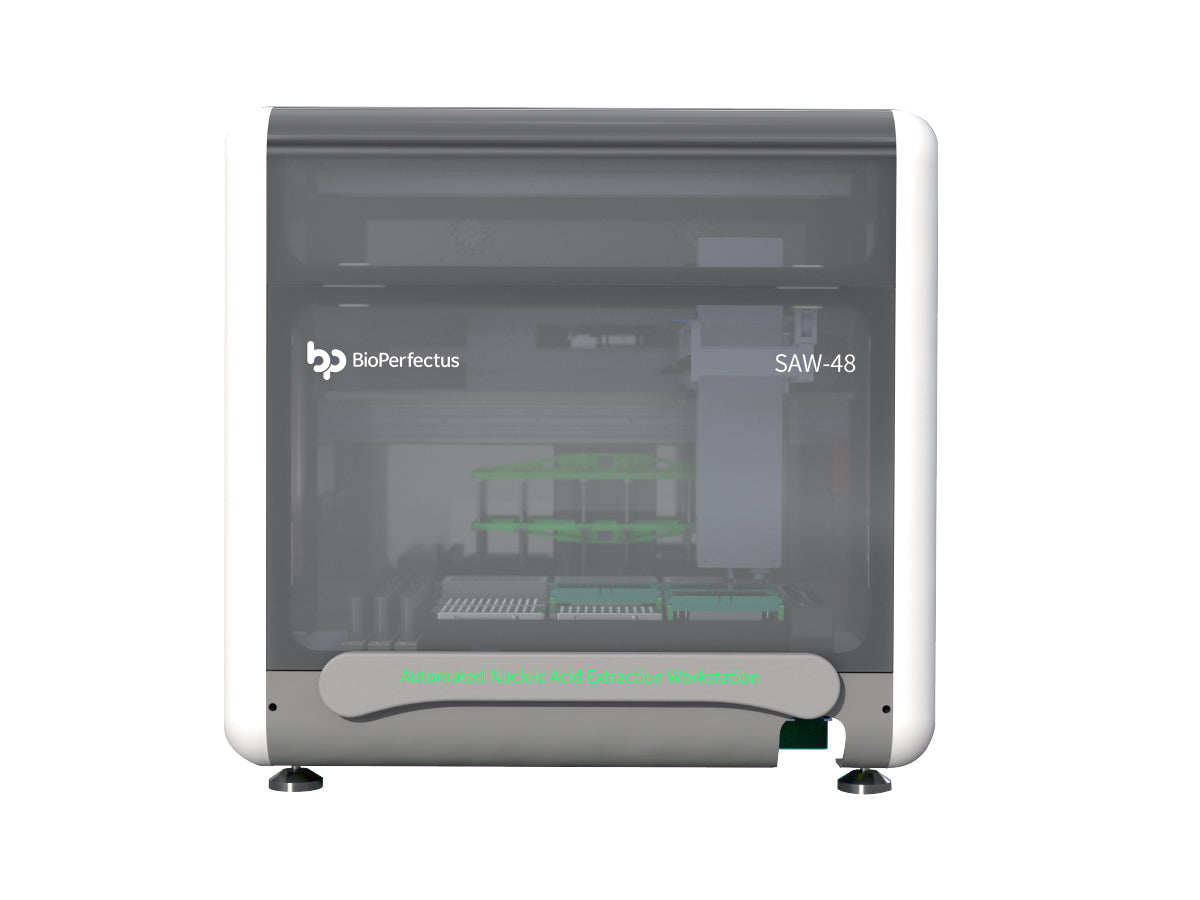
To make a choice, use three simple evaluation metrics: mean time between failures (MTBF), cost per sample (including labor), and usable throughput under typical load. Compare options side-by-side and simulate a week of runs. I recommend running a five-day test with the proposed change. You’ll see where the benefit really lands — and where it doesn’t (well, sometimes).
In closing, I’ve shared practical comparisons, clear fixes, and a short plan you can try this month. We don’t need grand redesigns to cut errors and boost output; small, measured changes often win. For teams looking for a tested platform and support, I check systems from trusted suppliers, and I often point colleagues toward proven vendors who back up their gear with service. For reference and tools, see BPLabLine